Buddhism, AI and Digital Detox Workshop by Dh. Khemvajra (Australia)
5–6 September 2026 | Nagarjuna Training Institute, Nagaloka, Nagpur
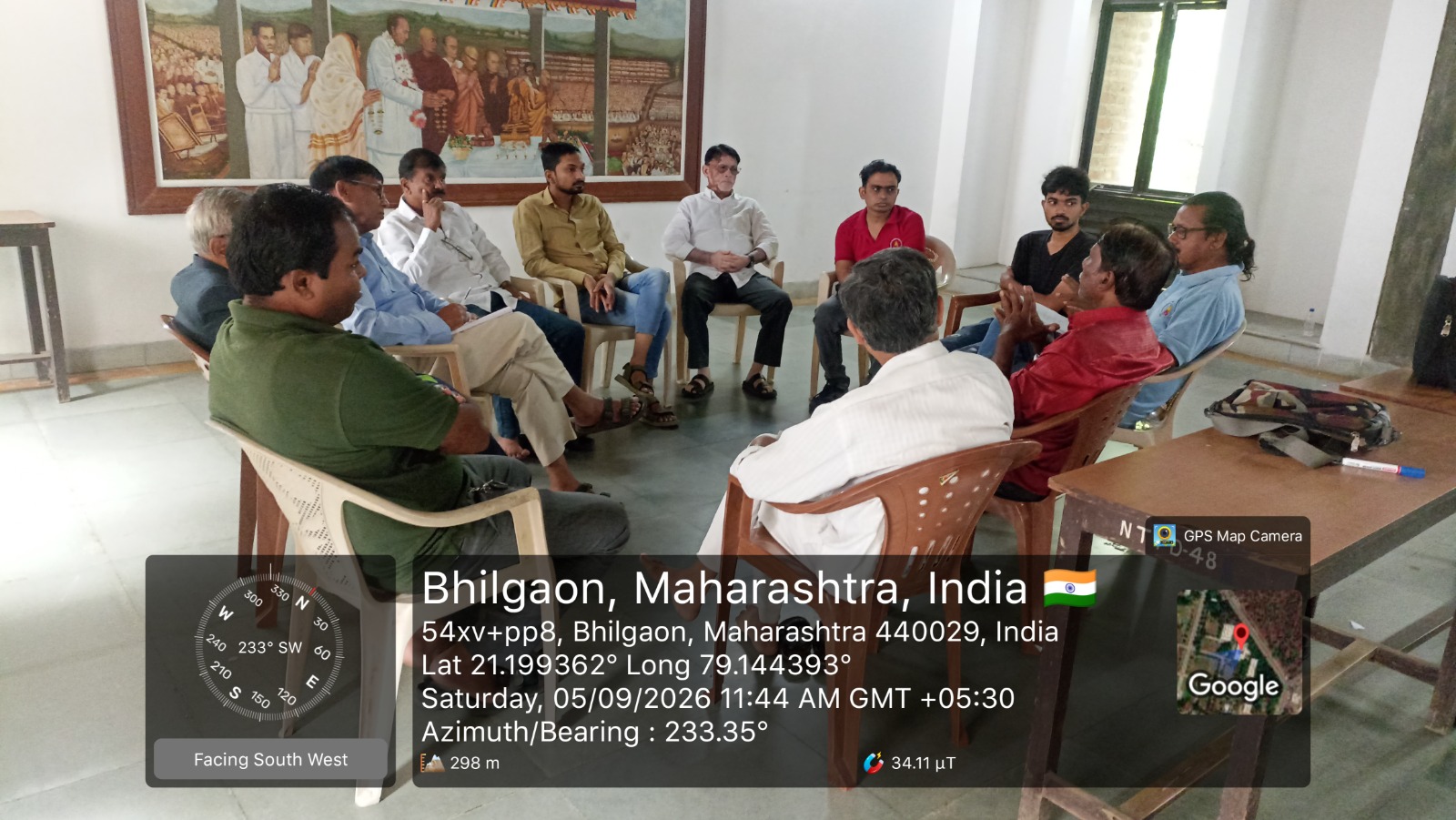
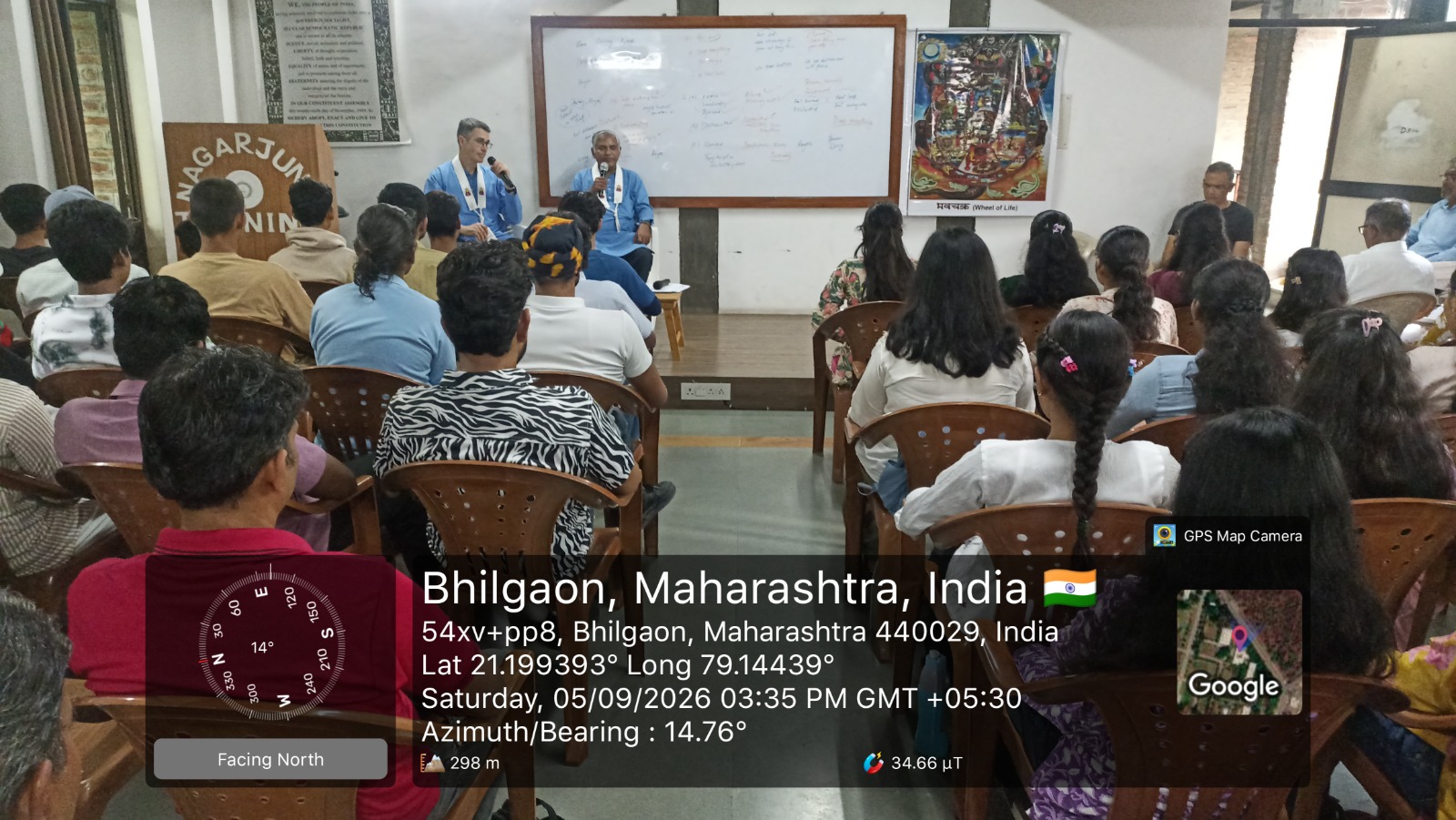
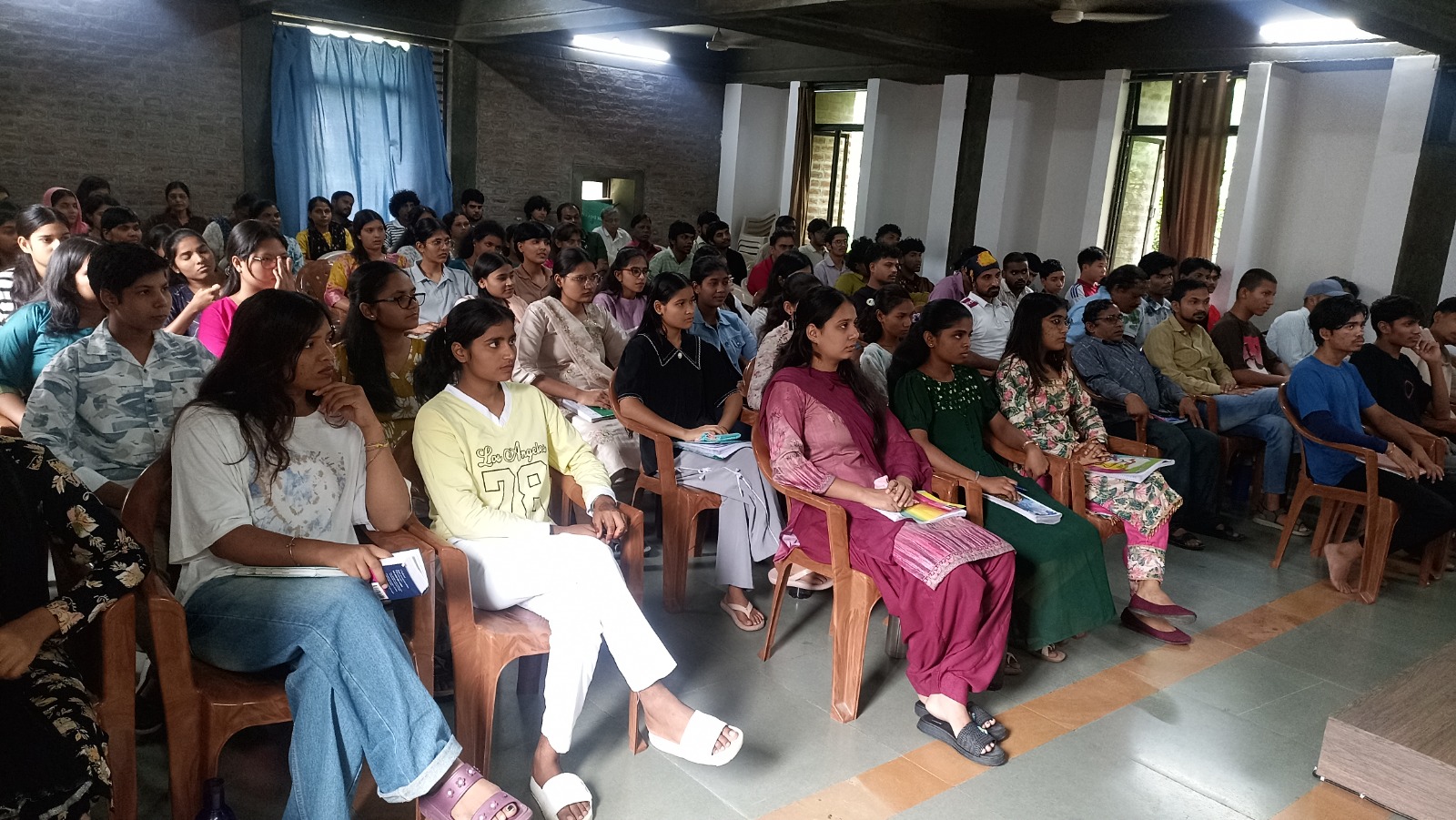
Nagarjuna Training Institute (NTI) conducted a two-day workshop titled “Digital Detox: Who is the Boss, Me or the Phone?” on 5 and 6 September 2026 at the NTI campus. The workshop focused on developing awareness of digital habits and encouraging participants to adopt healthier, more balanced, and intentional approaches to the use of smartphones, social media, and other digital technologies.
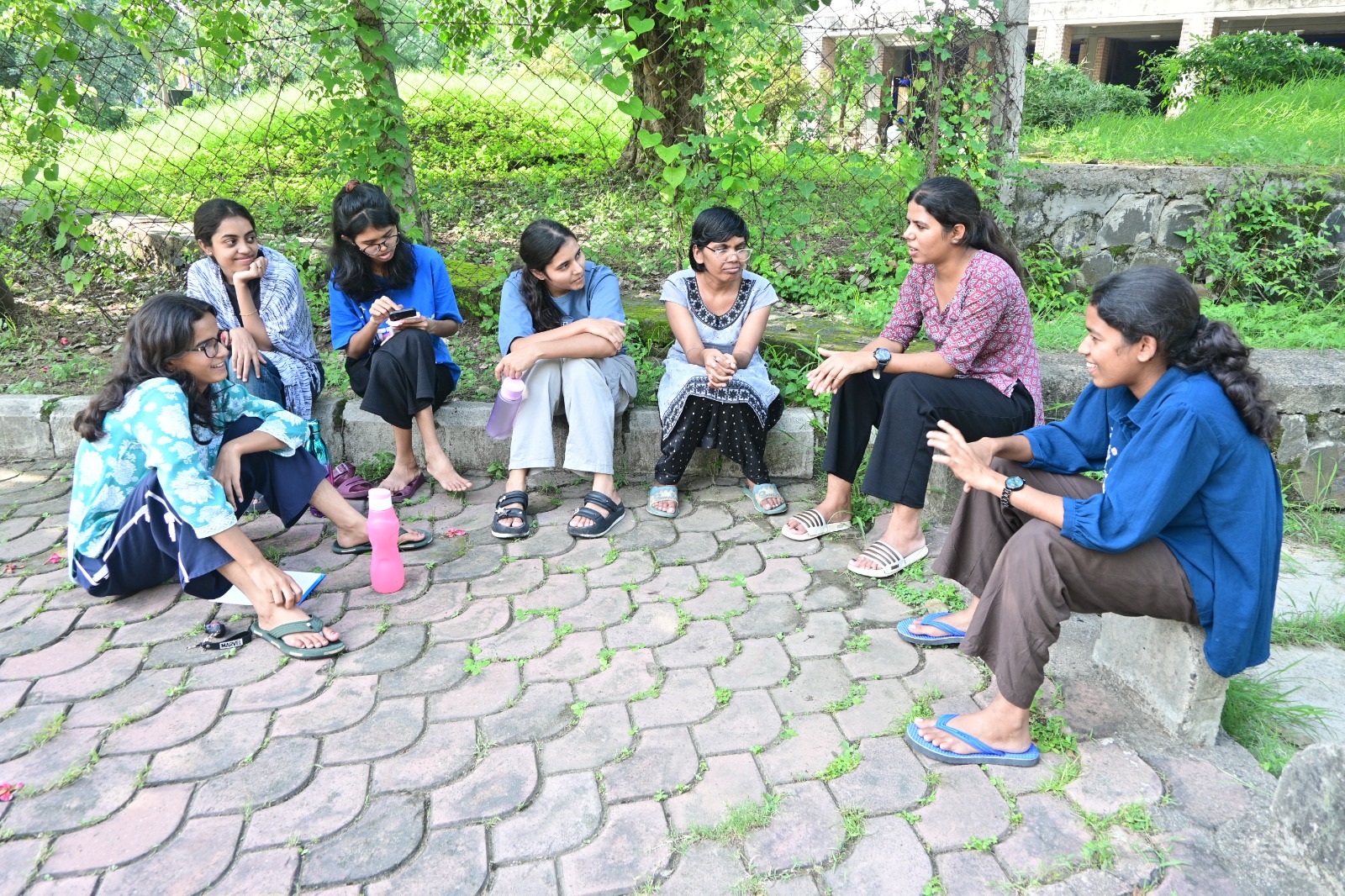
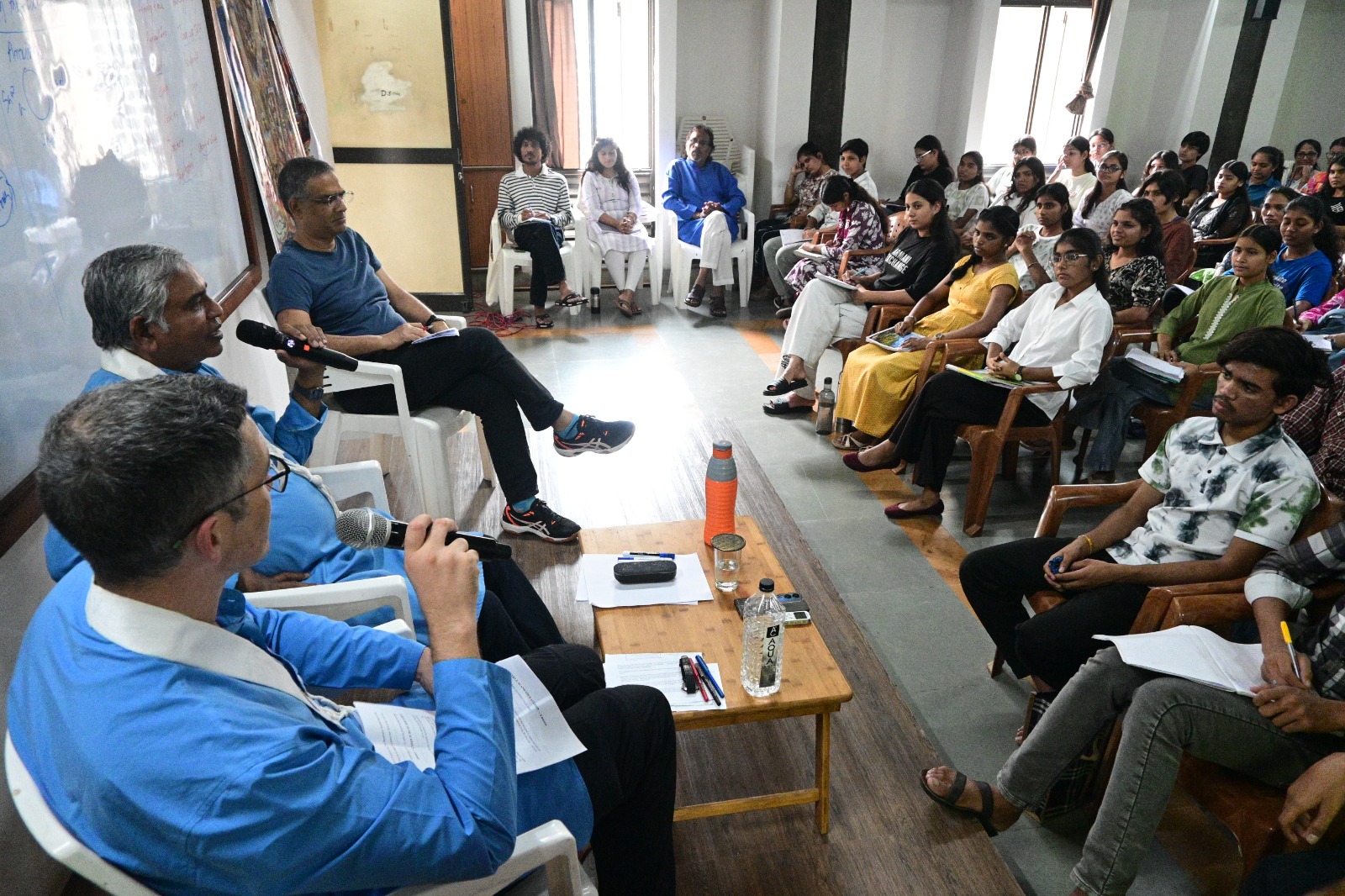
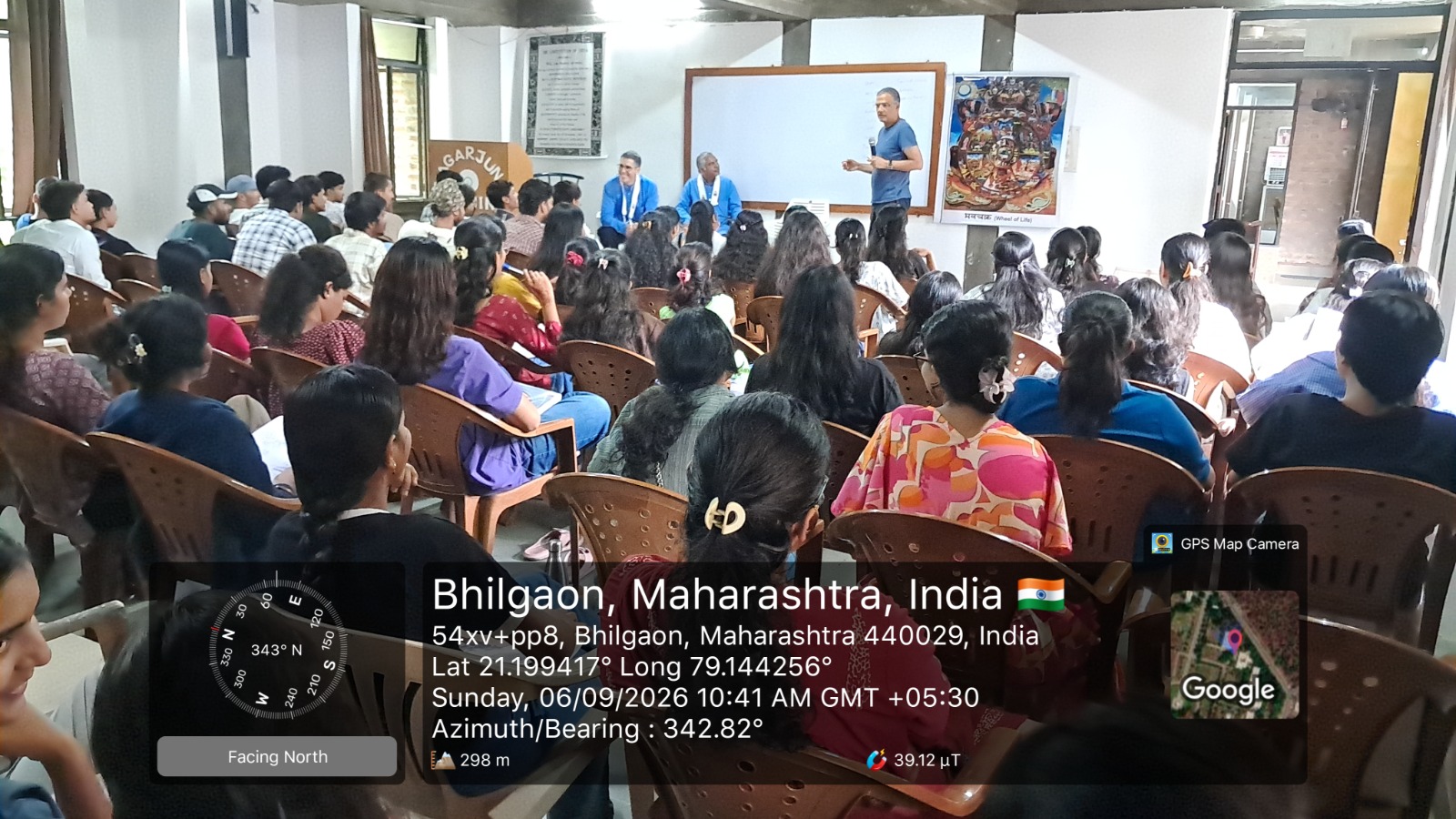
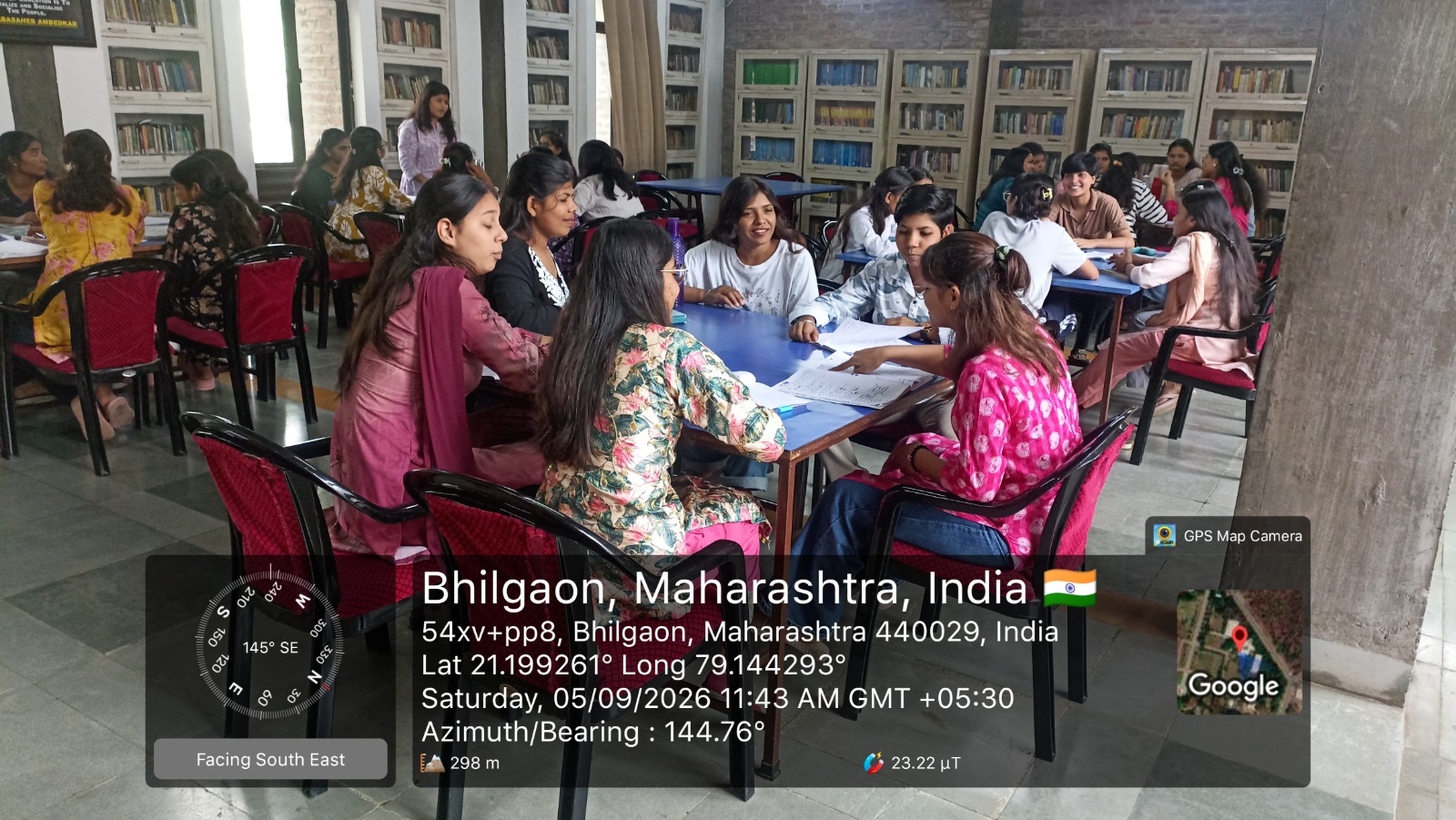
The programme brought together students from NTI’s Chinese language programme, B.A. programme, and eight-month residential training programme, along with participants from the Nagaloka Centre residing in Nagpur.
Interactive Learning on Digital Habits
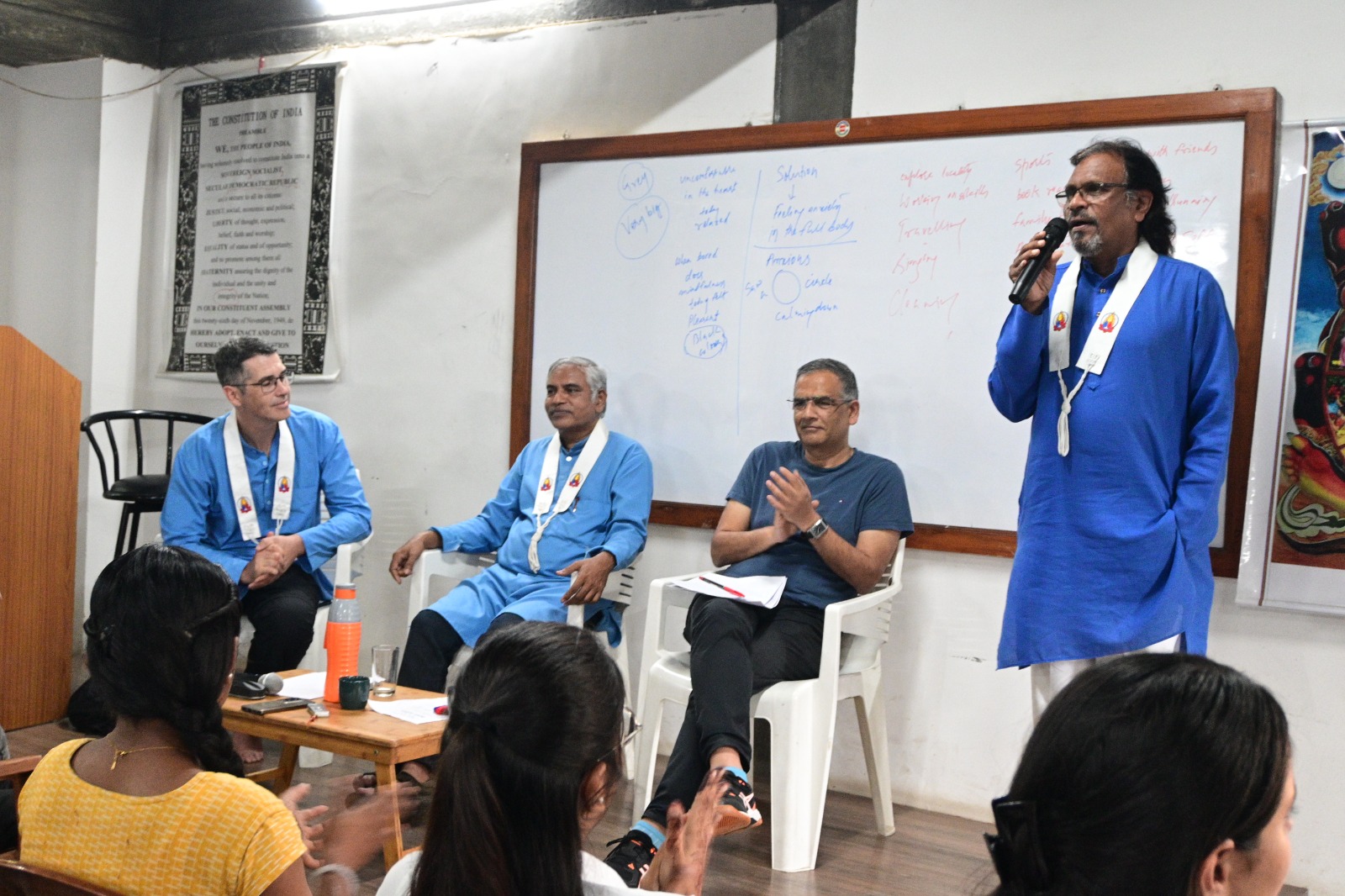
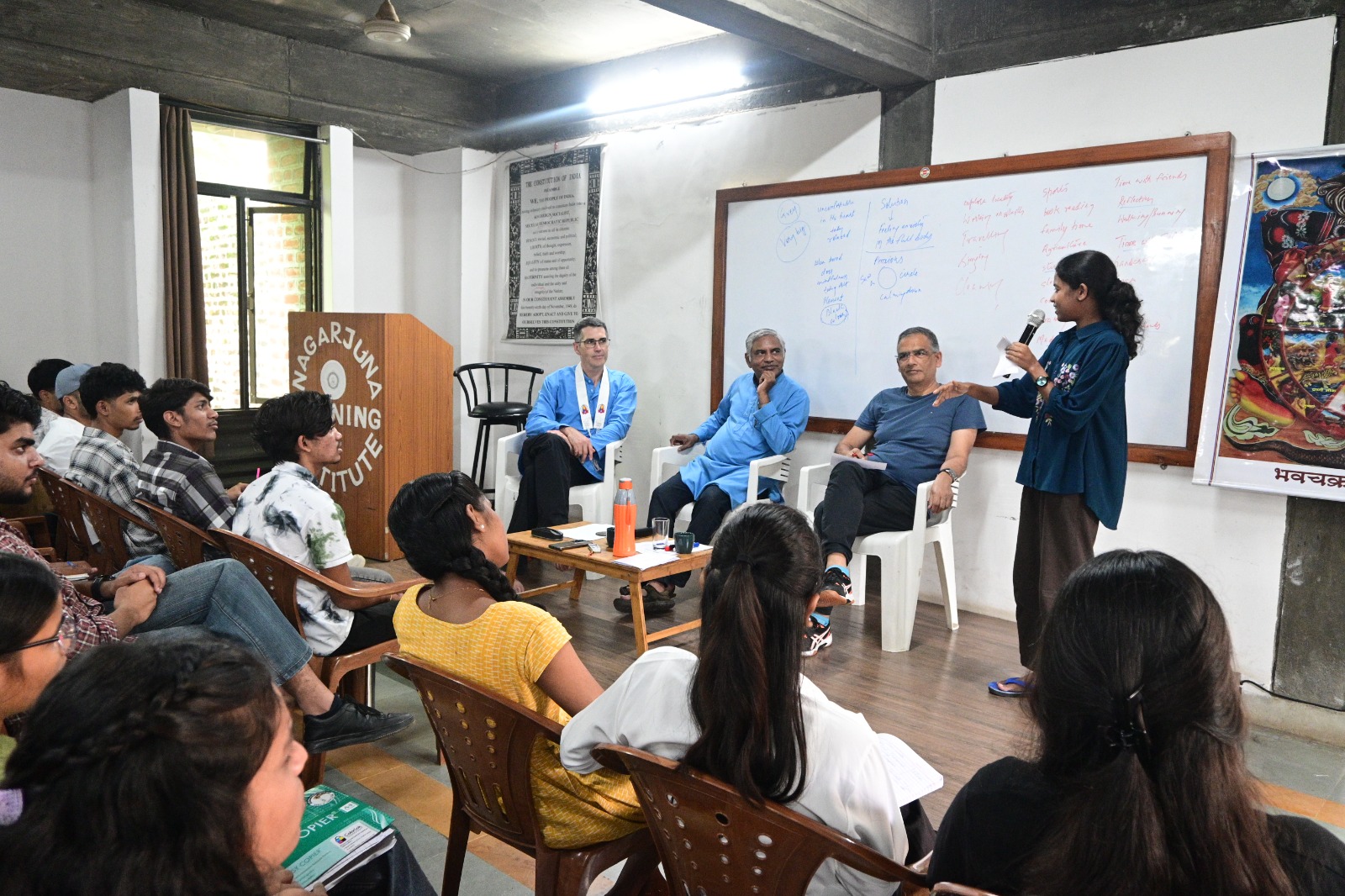
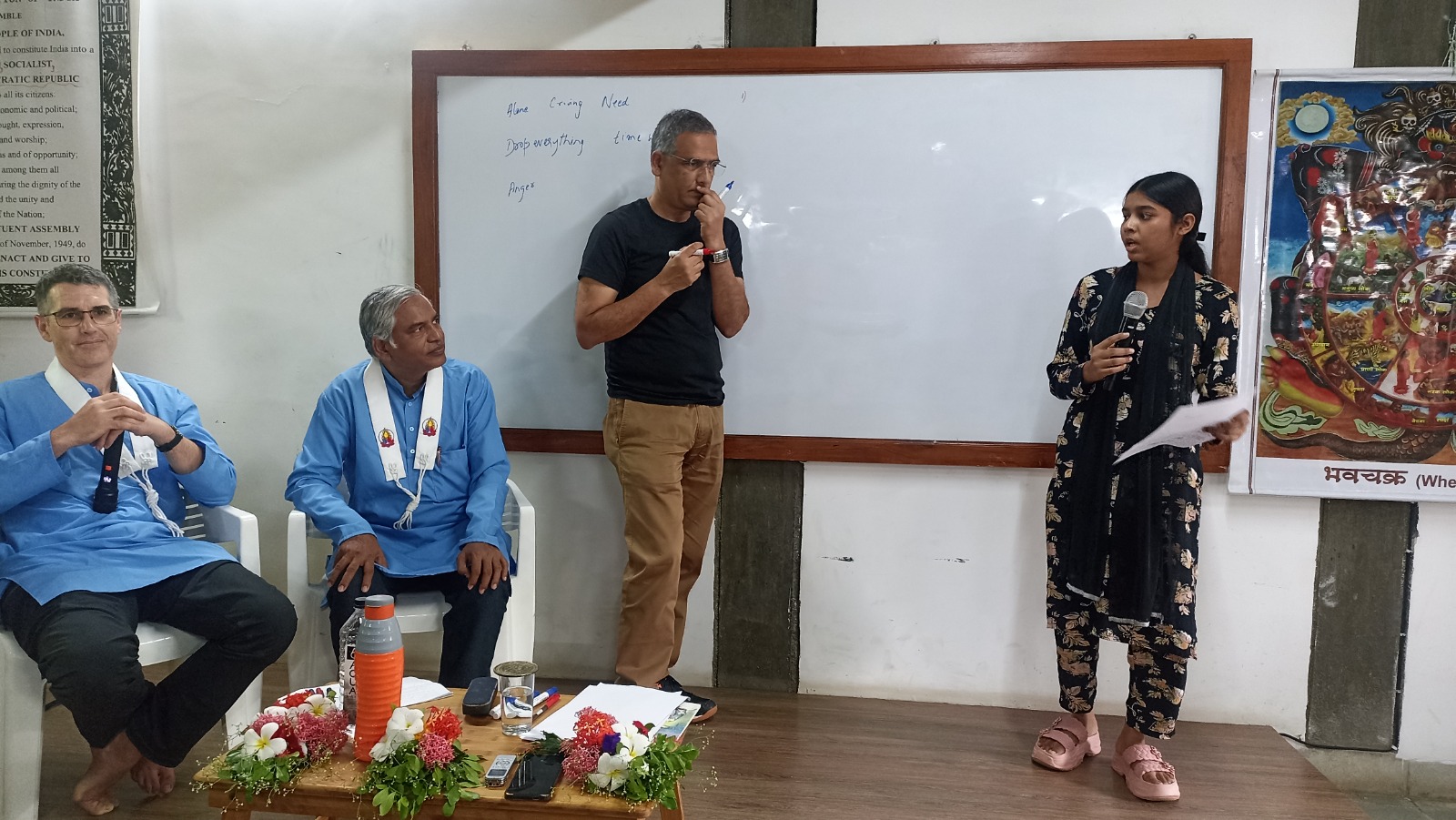
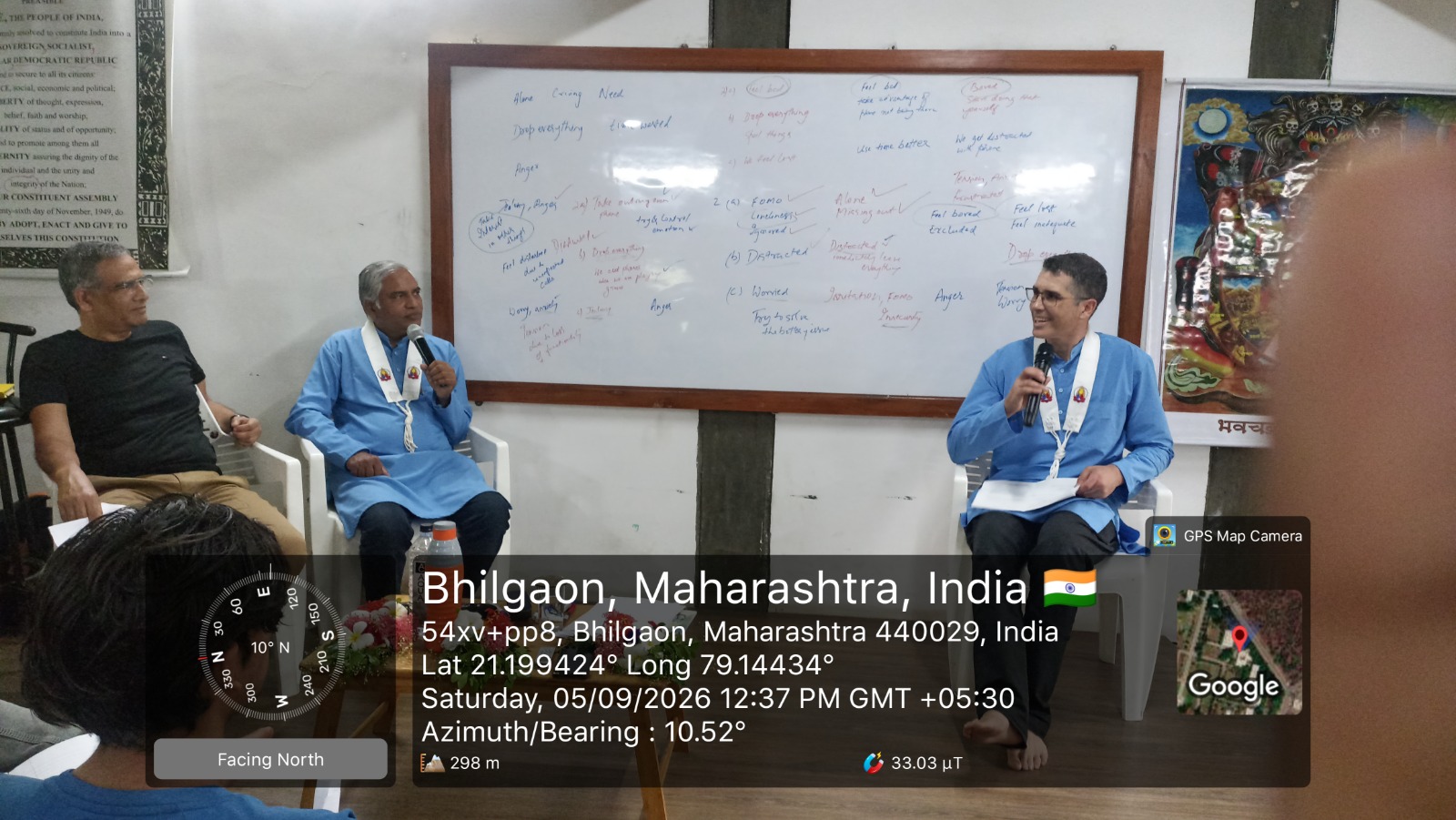
The workshop was facilitated by Dh. Suvirya, with Dh. Khemvajra from Australia as the main speaker and Dh. Manidhamma providing translation support. The sessions used an interactive approach, encouraging participants to reflect on their own technology-use patterns and consider how digital devices influence attention, communication, productivity, and everyday decision-making.
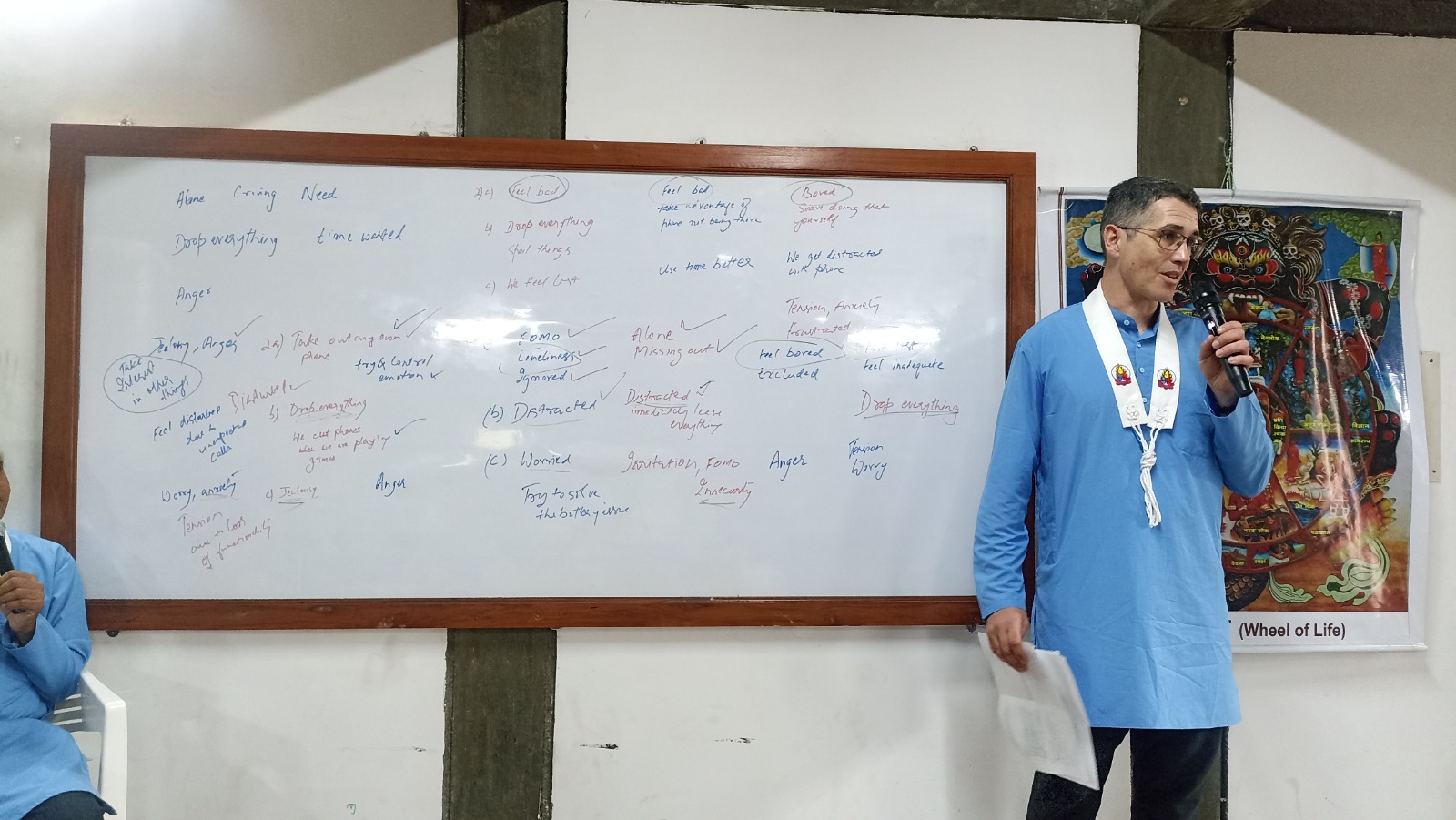
The first day focused on understanding personal digital habits and the mechanisms used by digital platforms to attract and retain users’ attention. Participants explored concepts such as infinite scrolling, targeted advertising, and excessive smartphone engagement. The discussion also introduced psychological phenomena associated with smartphone dependence, including Nomophobia and Phantom Vibration Syndrome.
Participants were encouraged to examine their own patterns of digital engagement and consider the importance of making conscious choices about when, why, and how they use technology. The sessions emphasized the value of maintaining control over one’s attention rather than allowing digital platforms to determine how it is used.
Practical Strategies for Digital Well-being
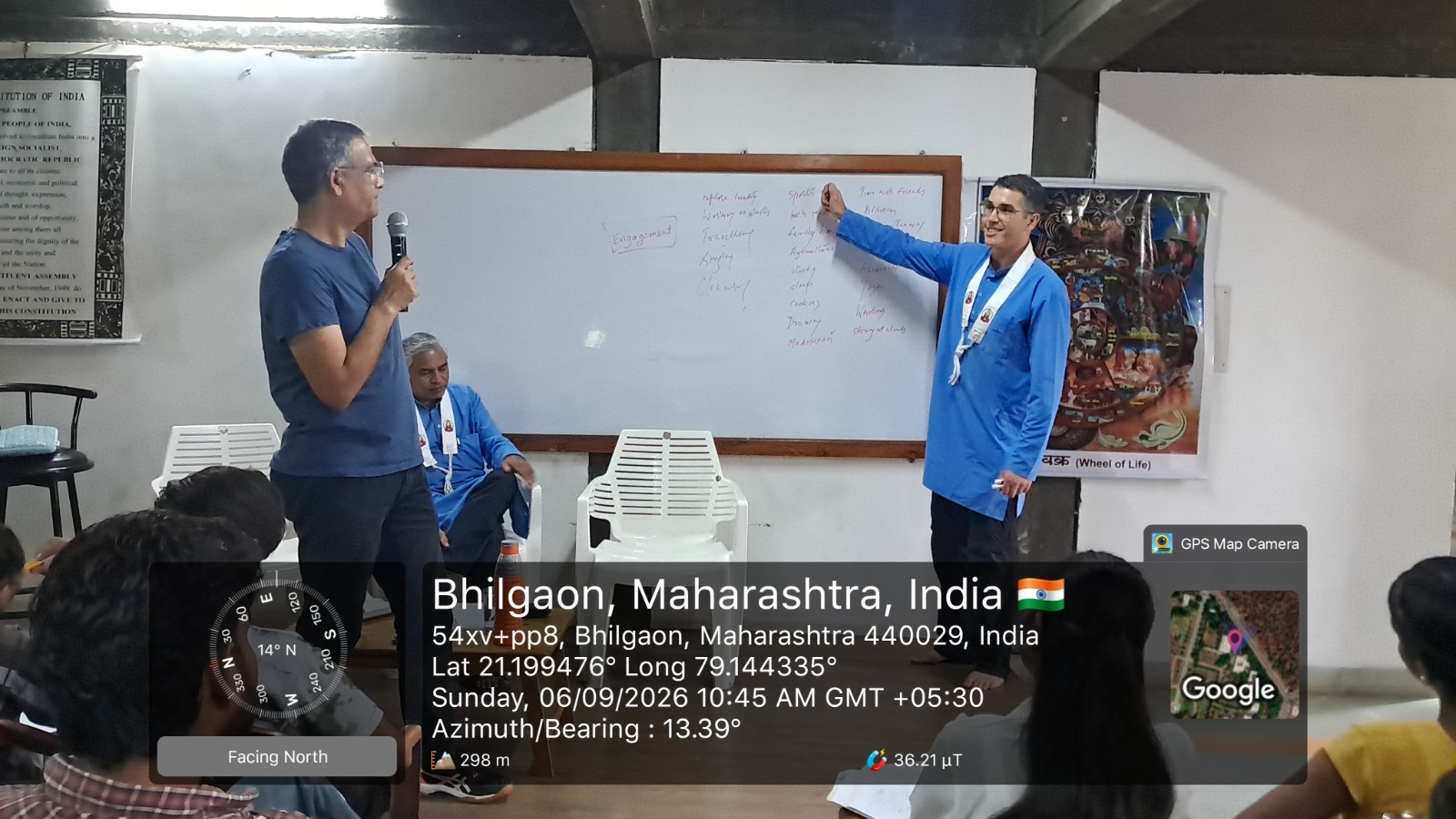
The second day concentrated on practical strategies for managing technology use. Discussions addressed the role of curiosity, mindfulness, and self-awareness in developing healthier digital habits.
Participants examined the effects of continuous digital stimulation and discussed how periods without constant digital engagement can provide opportunities for reflection and creativity. The workshop also addressed communication pressures created by instant messaging platforms such as WhatsApp and the expectation of being continuously available.
Practical tools were introduced to help participants manage their device use, including:
- Monitoring daily screen time
- Setting application time limits
- Using Focus Mode and similar device features
- Creating intentional periods away from digital devices
- Becoming more conscious of notifications and online communication habits
These activities provided participants with practical methods that could be applied in their academic, professional, and personal lives.
Learning Outcomes
The workshop encouraged participants to:
- Develop greater awareness of their personal digital habits.
- Understand how digital platforms compete for users’ attention.
- Identify patterns of excessive or unintentional device use.
- Develop practical strategies for managing screen time.
- Improve concentration and intentional use of technology.
- Recognize the importance of maintaining healthy boundaries in digital communication.
- Create more space for reflection, creativity, and productive activities.
Conclusion
The workshop concluded with a vote of thanks acknowledging the active participation of students and other participants throughout the two-day programme. The sessions provided an opportunity for participants to reflect on their relationship with digital technology and learn practical methods for making more conscious and responsible choices in their daily digital lives.
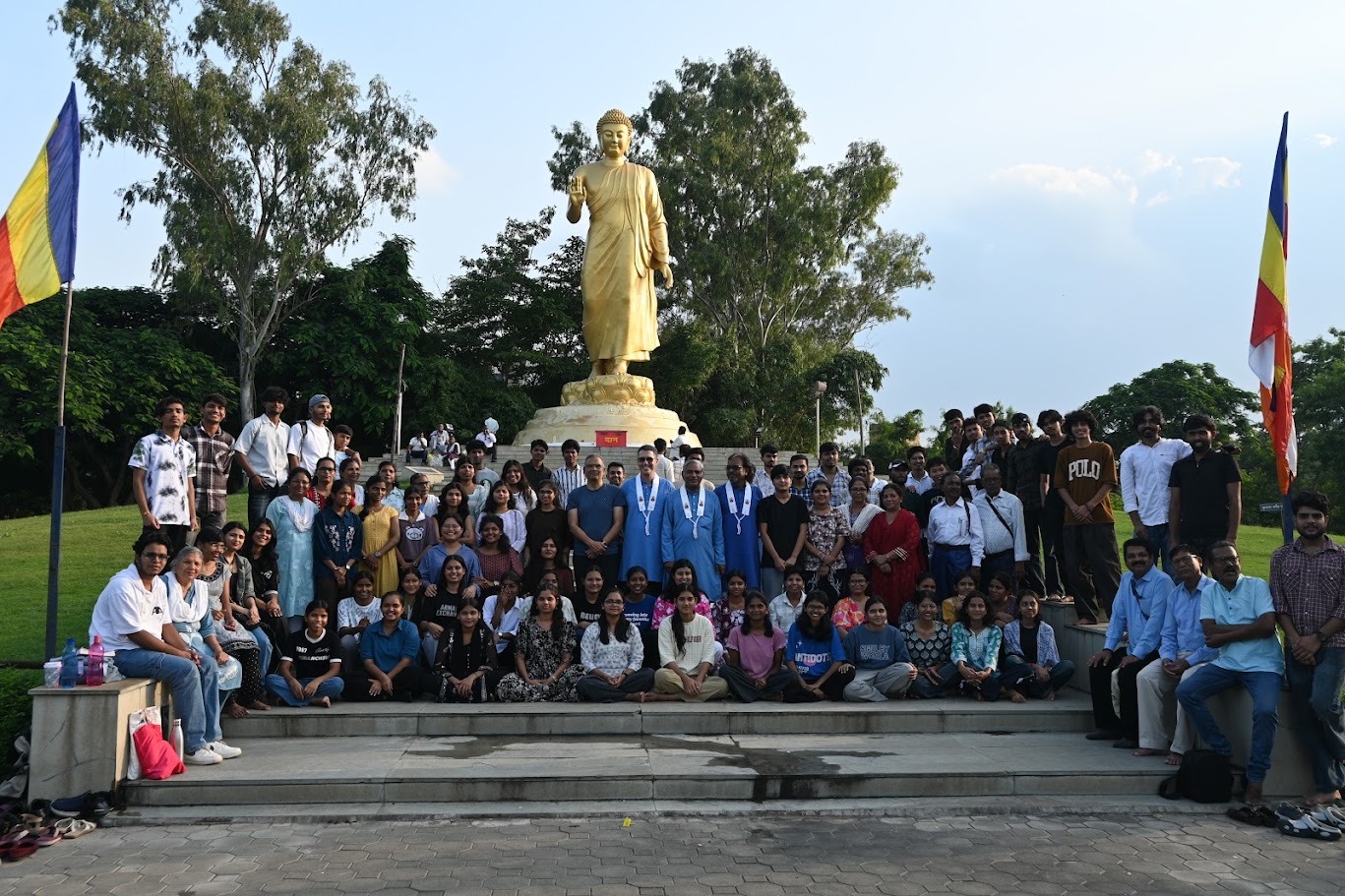
The programme concluded with a group photograph, marking the completion of a learning experience focused on digital awareness, personal discipline, attention management, and responsible technology use.